Source Stained Glass Crystal Wind Chime for Garden, Home, Meditation
Compare 30 listings of stained glass crystal wind chime from verified Chinese manufacturers. Buyers can evaluate specifications like material, size, and customization options to find suitable garden, home, or meditation decor; compare the available evidence and request quotations based on your requirements.
Key considerations
Products List
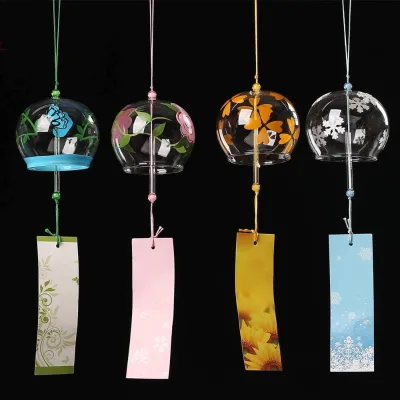
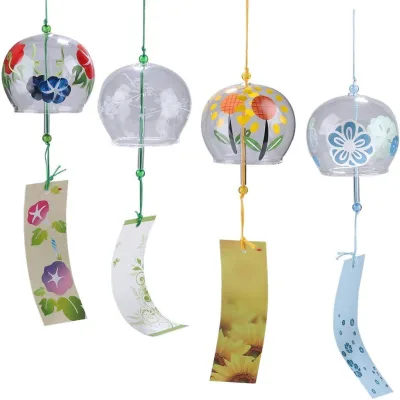
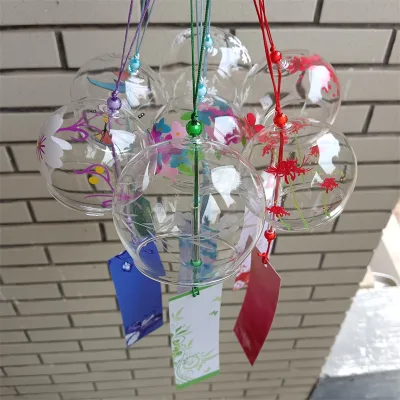
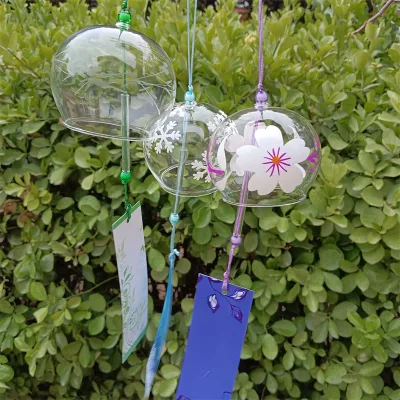
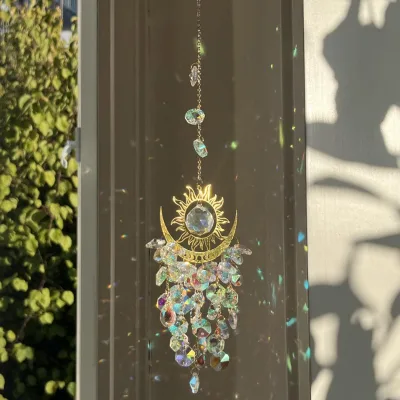


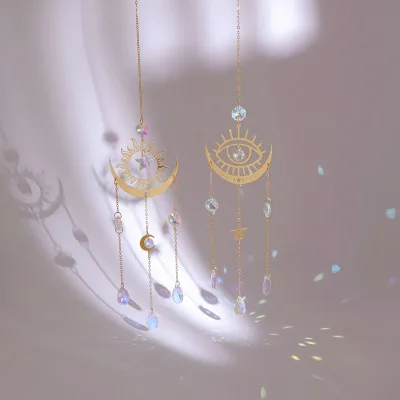
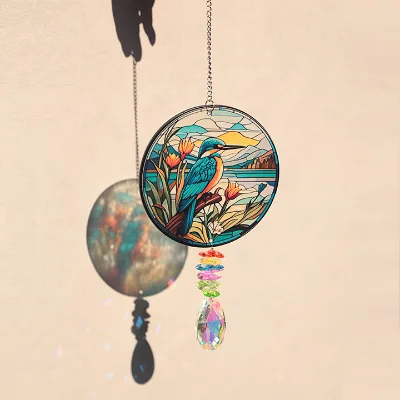
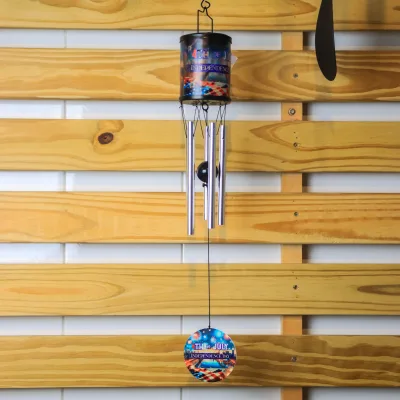


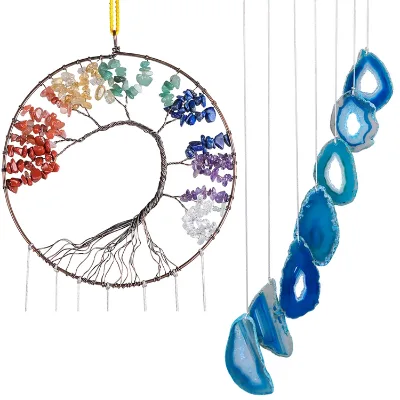
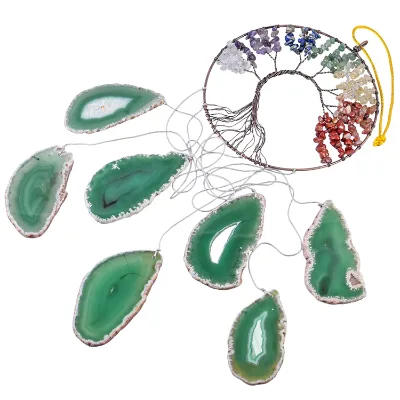

Comprehensive Sourcing Guide
Stained Glass Crystal Wind Chime Sourcing Guide
Procuring stained glass crystal wind chimes requires a nuanced understanding of material distinctions, as the market often blends traditional glass artistry with modern crystal and solar-integrated designs. Buyers must first clarify whether the target product is a classic stained glass assembly or a contemporary crystal variant, as these categories differ significantly in weight, durability, and aesthetic appeal. The observed product landscape includes items ranging from simple glass ornaments to complex solar-powered peacock windmills, indicating a broad spectrum of manufacturing capabilities. This diversity necessitates precise specification alignment to avoid receiving mismatched inventory that fails to meet the end-user’s decorative or functional expectations.
Furthermore, the sourcing strategy must account for the variability in customization options, such as logo printing and color selection, which are frequently offered by suppliers in key manufacturing hubs like Shandong and Guangdong. While some listings highlight OEM capabilities and custom logos, others emphasize specific certifications like RoHS and CE, particularly for products incorporating electronic components such as solar lights. Understanding these distinctions is critical for defining the total cost of ownership, including packaging requirements and shipping logistics, as the single package sizes and gross weights vary widely across different product models.
Product Scope and Observed Listing Signals
The current market signals indicate a wide range of product types under the broad category of wind chimes, including traditional glass ornaments, crystal chimes, and solar-powered decorative lights. Observed listings reveal significant variation in physical attributes, with some products weighing as little as 64 grams while others reach 335 grams, reflecting differences in material density and design complexity. Buyers should note that "stained glass" and "crystal" are often treated as distinct material categories, with crystal variants frequently featuring additional features like solar lighting or specific color palettes such as blue, golden, and green. This segmentation requires careful filtering to ensure the selected product matches the intended market positioning, whether for meditation, home garden decor, or general ornamentation.
Listing signals also highlight diverse packaging and logistical parameters, with single package sizes ranging from compact 9.5x9.5x24.5 cm boxes to larger 15x12x3 cm containers. These dimensions directly impact shipping costs and storage efficiency, making it essential to verify the single gross weight and packing method, such as paper boxes or cartons, before finalizing orders. Additionally, the presence of solar-powered options introduces technical specifications like IP ratings and battery types, which are absent in standard glass or crystal chimes. Buyers must distinguish between purely decorative items and those with functional lighting elements to accurately assess the product’s value proposition and target audience.
Technical Specifications to Verify
Technical verification must begin with precise dimensional analysis, as observed sizes vary from 6.5 cm diameter chimes to larger 8.5x8.5x8.5 cm cubic designs. Buyers should confirm the exact material composition, distinguishing between glass, crystal, and metal components, as these affect both the acoustic properties and the visual clarity of the wind chime. For products incorporating solar features, critical specifications include the light source type, such as energy-saving lamps, and the charging time, which can influence the product’s performance in low-light conditions. Verifying the model number, such as CWC-9 or SL51055, ensures that the supplier provides the exact variant requested, preventing discrepancies in size, weight, or functional capabilities.
Additionally, the craftsmanship and finishing techniques play a crucial role in the product’s durability and aesthetic quality. Handmade crafts often offer unique artistic value, while chrome-plating or other technical finishes may enhance weather resistance for outdoor use. Buyers should verify the presence of light sources and the type of illumination, such as warm white LEDs, for solar-integrated models. It is also important to confirm the power consumption, which may be listed as ≤5W, and the illumination time, which can range up to 8 hours. These technical details are essential for ensuring the product meets the functional requirements of the end-user, particularly for garden or outdoor applications where reliability is paramount.
Compliance and Safety Documentation
Compliance verification is particularly critical for wind chimes that incorporate electronic components, such as solar lights and batteries. Buyers must ensure that suppliers provide valid RoHS and CE certifications, which confirm that the products meet European standards for hazardous substances and electromagnetic compatibility. These certifications are essential for importing into regulated markets and help mitigate the risk of customs delays or product recalls. For products containing Ni-MH batteries, additional safety documentation may be required to ensure proper handling and disposal, aligning with international shipping regulations for lithium or rechargeable battery-containing goods.
Beyond electronic compliance, buyers should verify that the materials used, such as glass or crystal, are free from lead and other harmful substances, especially if the products are intended for children or indoor meditation spaces. While traditional glass chimes may not require extensive certification, those with solar features must adhere to strict electrical safety standards. Buyers should request test reports or compliance certificates from the supplier to validate these claims, ensuring that the products are safe for end-users and compliant with local regulations. This due diligence protects the brand from liability and enhances consumer trust in the product’s safety and quality.
Cost Drivers and Commercial Terms
Cost structures for wind chimes are influenced by material choices, customization levels, and order quantities. Observed MOQs range from 1 piece for samples to 2000 pieces for bulk orders, with a common MOQ of 500 pieces for standard production runs. Buyers should anticipate higher per-unit costs for customized logos, specific color combinations, or intricate handmade designs, as these require additional labor and setup time. The inclusion of solar components and batteries also adds to the base cost, reflecting the complexity of integrating electronic elements into decorative items. Understanding these cost drivers helps in budgeting accurately and negotiating favorable terms with suppliers.
Commercial terms also include sample times, which can range from 1 to 7 days, and lead times for bulk production, which vary based on order volume and customization requirements. Buyers should clarify the payment terms, shipping methods, and packaging options, such as paper boxes or cartons, to avoid hidden costs. The single gross weight and package dimensions are critical for calculating freight charges, especially for air or sea freight. By understanding these commercial variables, buyers can optimize their procurement strategy, balancing cost efficiency with the need for quality and timely delivery.
Supplier Qualification and Quality Control
Supplier qualification should focus on verifying their manufacturing capabilities, particularly in regions like Shandong and Guangdong, which are known for glass and crystal production. Buyers should assess the supplier’s experience with OEM orders and their ability to handle customizations, such as logo printing and color matching. Quality control measures must include inspections of material integrity, ensuring that glass or crystal pieces are free from cracks or defects. For solar-integrated products, functional testing of the light source and battery performance is essential to ensure reliability. Buyers should request samples to evaluate the craftsmanship and acoustic quality before committing to large orders.
Additionally, buyers should verify the supplier’s ability to maintain consistent quality across production batches. This includes checking their quality management systems and their response to defects or returns. Clear communication channels and responsive customer service are vital for addressing any issues that arise during production or shipping. By selecting suppliers with strong quality control practices and a proven track record, buyers can minimize the risk of receiving substandard products and ensure customer satisfaction. This proactive approach to supplier management is key to building a reliable supply chain for decorative wind chimes.
Long-Term Procurement Checks
Long-term procurement success depends on establishing a robust relationship with suppliers who can scale production and maintain quality over time. Buyers should regularly review supplier performance metrics, including on-time delivery rates, defect rates, and responsiveness to issues. Continuous monitoring of market trends, such as the growing demand for solar-powered decorative items, can help buyers stay ahead of competitors and adapt their product offerings accordingly. Building a diversified supplier base can also mitigate risks associated with single-source dependencies, ensuring continuity of supply even during peak seasons or global disruptions.
Furthermore, buyers should invest in ongoing quality assurance processes, such as periodic audits and random sampling, to ensure that products consistently meet specified standards. Feedback loops with end-users can provide valuable insights into product performance and areas for improvement, guiding future procurement decisions. By maintaining a focus on quality, compliance, and supplier collaboration, buyers can build a sustainable procurement strategy that supports long-term business growth and customer loyalty in the decorative wind chime market.
FAQs
What materials are used for these wind chimes?
The wind chimes are crafted from glass and crystal materials. Some models feature a colorful finish suitable for garden decor. The crystal variety is handmade and designed for meditation or calming emotions. Glass options are available with custom logos. These materials ensure durability and aesthetic appeal for home use.
Can I customize the logo on the wind chimes?
Yes, custom logos are available for these wind chimes. Buyers can request personalized branding on the glass or crystal products. This customization service allows for unique marketing or gift items. The OEM brand name option supports tailored designs. Contact suppliers to discuss specific logo placement and design requirements for your order.
What are the typical MOQ requirements for orders?
Minimum order quantities vary by product type. Some glass wind chimes require an MOQ of 500 pieces. Other crystal models may have a lower MOQ of just 1 piece. Buyers should check specific product listings for exact thresholds. Flexible MOQs allow for both bulk purchasing and small sample orders depending on the supplier.
Which certifications do the products hold?
Selected crystal wind chimes hold RoHS and CE certifications. These certifications indicate compliance with safety and environmental standards. Buyers seeking certified products should verify the specific model details. Not all glass ornaments may carry these marks. Always confirm certification status with the supplier before placing large orders for regulated markets.
How long does sample production take?
Sample production typically takes 1 to 7 days. This timeframe allows for handmade crafting and quality checks. Buyers can request samples to verify material quality and color. The sample time ensures timely evaluation before bulk production. Expedited options may be available depending on the supplier's current workload and location.
What are the packaging dimensions for shipping?
Packaging sizes vary by product model. Glass wind chimes are packed in paper boxes with single package sizes around 9.5x9.5x24.5 cm. Crystal chimes may use different carton dimensions. Standard gross weights range from 0.084 kg to 0.440 kg per unit. Accurate packaging data helps calculate shipping costs and container loading efficiency for international orders.